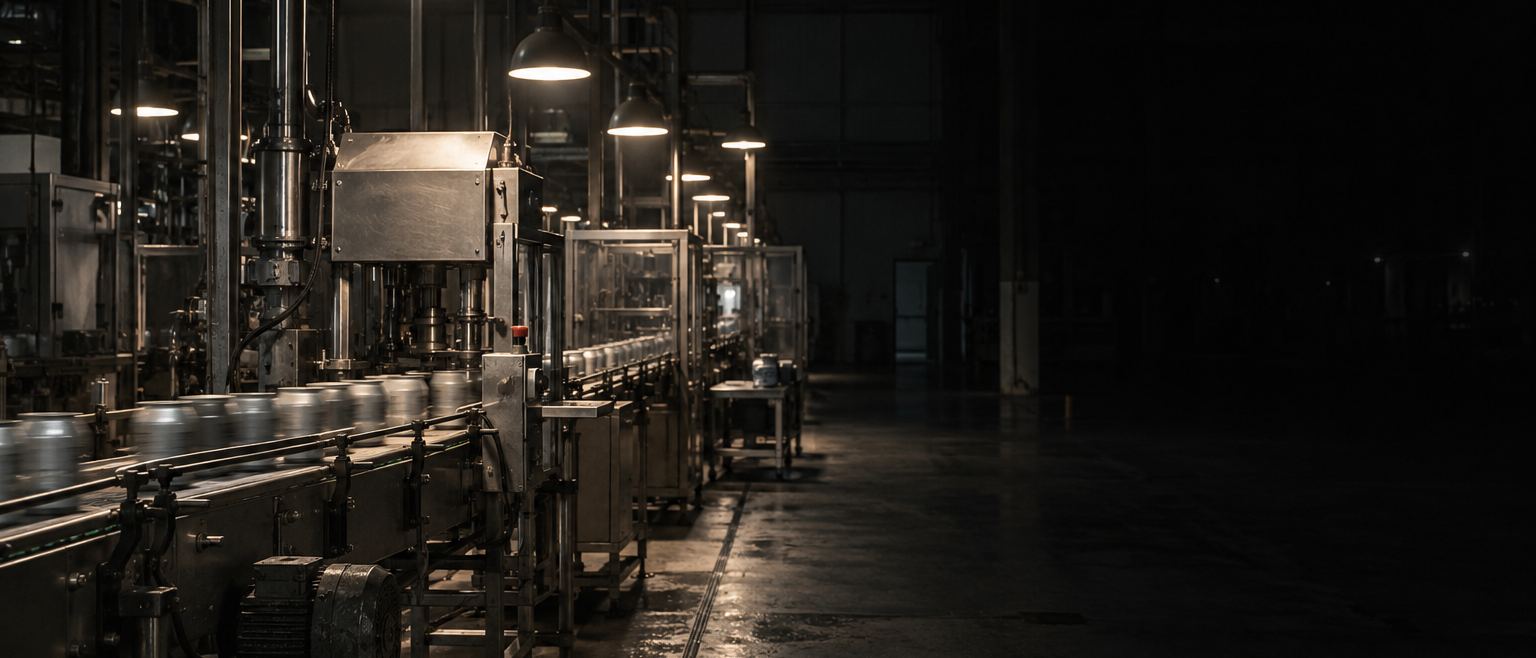
Importing from China, factory to shelf in Israel
We import from China for the brands we own, and we run the same work for clients — finding the factory, checking quality, shipping and customs, branding and marketing. One company, the same two people from start to finish.
We import from China directly, including for brands we own
We follow the product from the factory to the shelf in Israel
We work with the factories in China, with a team based in Israel
Branding, packaging and marketing sit inside the same company
Five chapters, and the road between them
You can take all of them as one sequence, or come in at a single chapter. Each one says what happens in it and what you hold at the end of it.
-
01
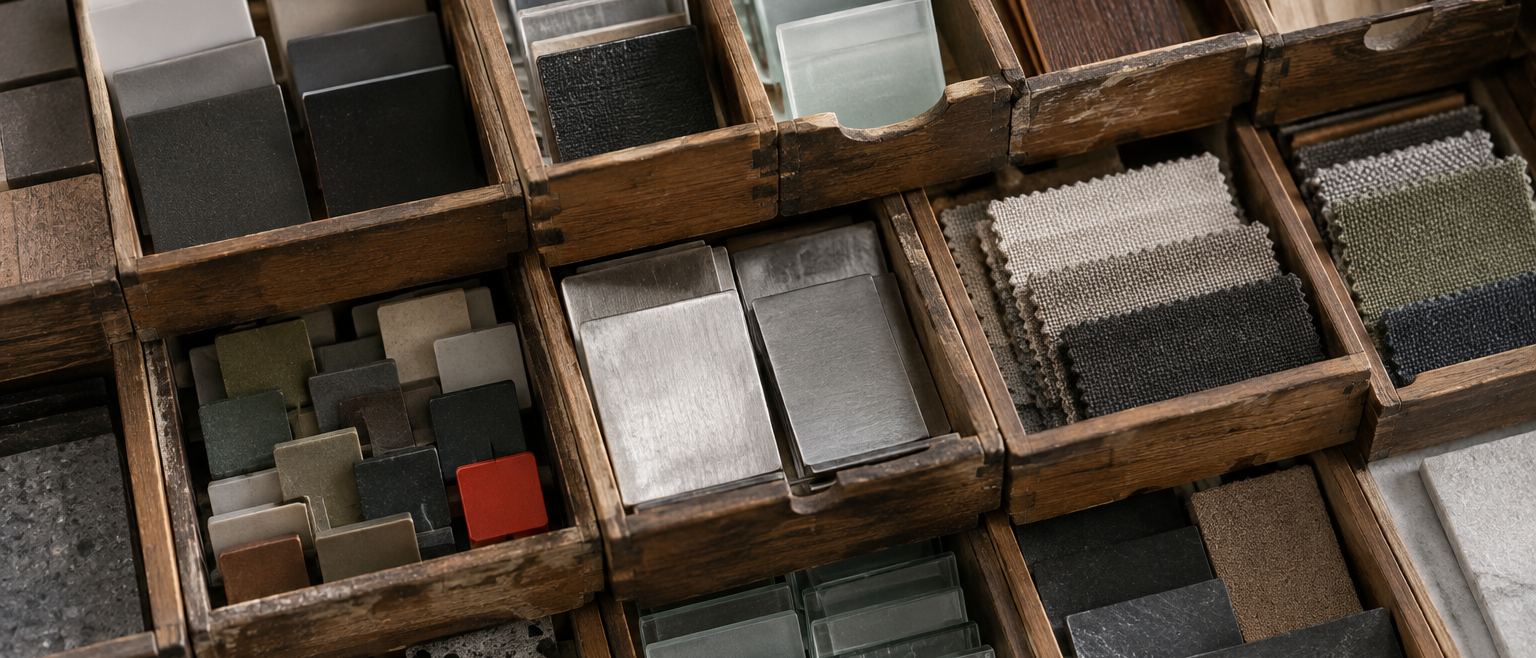
Sourcing and negotiation
Finding the manufacturer that fits the product, telling a real factory apart from a trading company, checking its background, and running the negotiation. Quotes are requested against exactly the same specification, so that they can be compared.
What you hold at the endA written product specification in English, a comparison table of the factories we checked with the reason each was ruled out, and a background file on the one we chose.
-
02
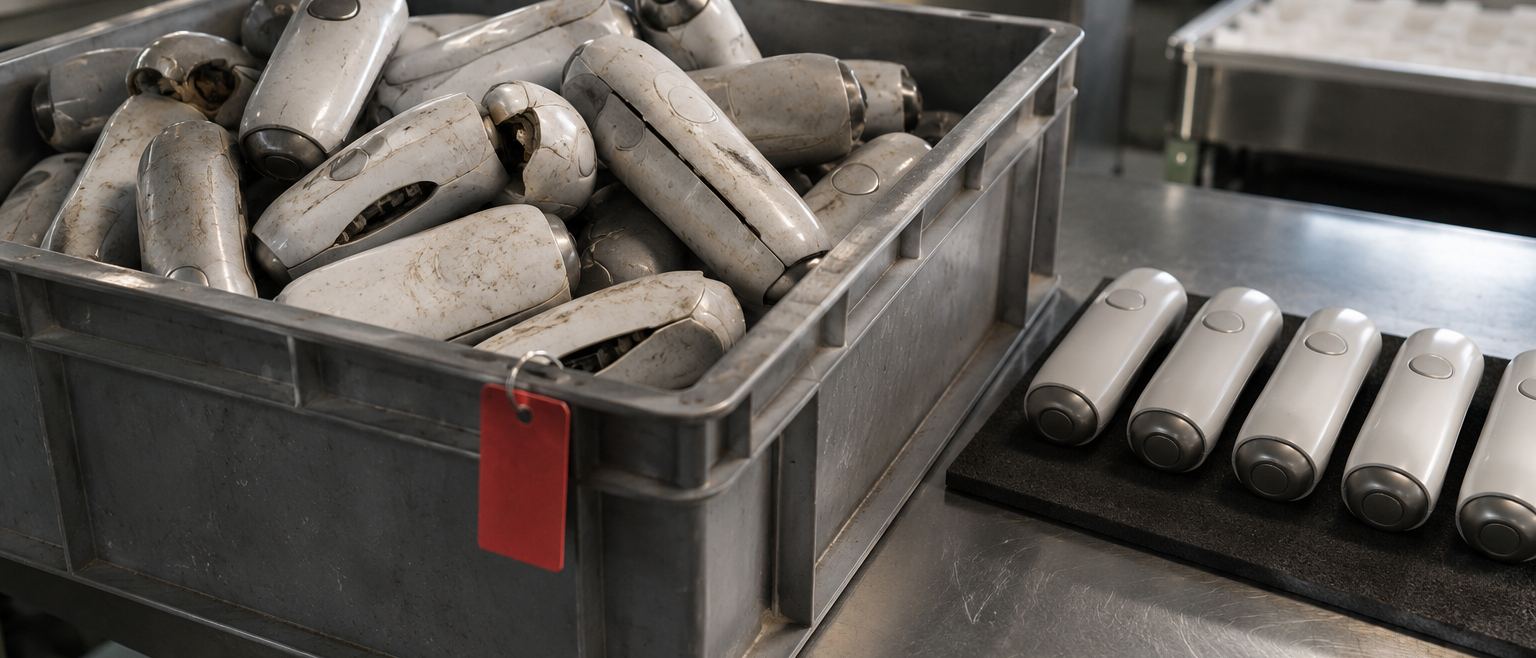
Quality control and factory visits
A written standard before anything is produced, rounds of samples that are measured rather than only looked at, and an inspection before the container is sealed. We carry out the inspections ourselves; laboratory testing, where the product calls for it, goes through an external lab.
What you hold at the endA quality standard agreed with the factory, a signed golden sample kept as the reference, and an inspection report with measurements and photographs.
-
03
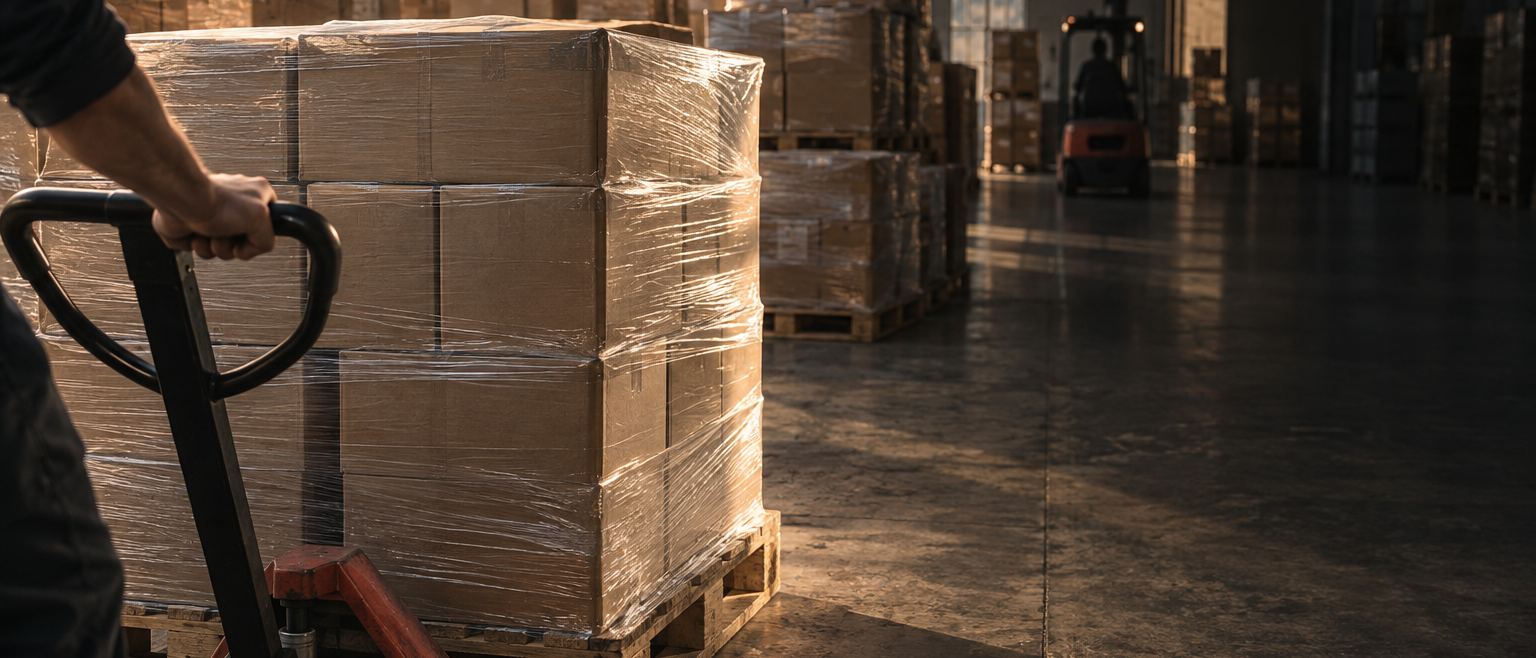
Shipping, customs and logistics
Choosing the route, comparing forwarder quotes on a single basis, and checking the documents before they are issued — which is where the expensive mistakes sit. The shipping itself goes through a forwarder and clearance through a customs broker; we coordinate and check, we do not replace them.
What you hold at the endA full landed-cost calculation from factory to warehouse, a comparison of forwarder quotes, and a set of shipping documents checked before issue.
-
04
Branding and packaging
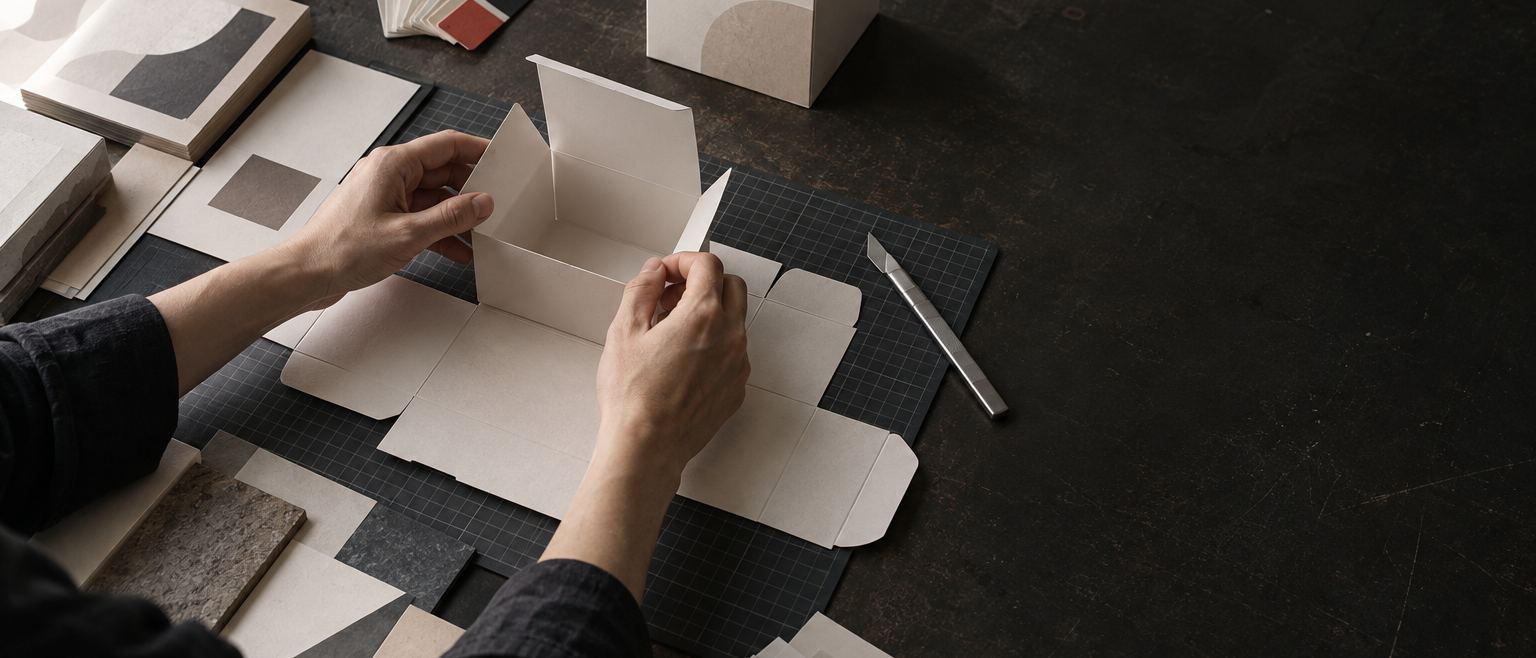
Private label, packaging design and production files the factory can actually work from, including the Hebrew labelling an imported product is required to carry in Israel. The limits are set in advance by minimum quantity and print method, not after the design is already closed.
What you hold at the endOpen design files and a packaging specification, Hebrew labelling copy, and an approved packaging sample kept as the standard.
-

05
Marketing and advertising in Israel
Photography, product pages, campaigns and measurement that is checked to be genuinely working. This is the arm that carries the product once it has landed, and it sits inside the company rather than with an outside supplier.
What you hold at the endProduct photography in original files, advertising accounts in your name with full access, and a monthly report with spend, result and a recommendation.
Two sides, one company
Most people importing from China work through a chain of separate parties: an agent in China, a freight forwarder, a customs broker, a designer and an advertising agency. Each one owns their own piece, and things fall between the pieces.
The China side
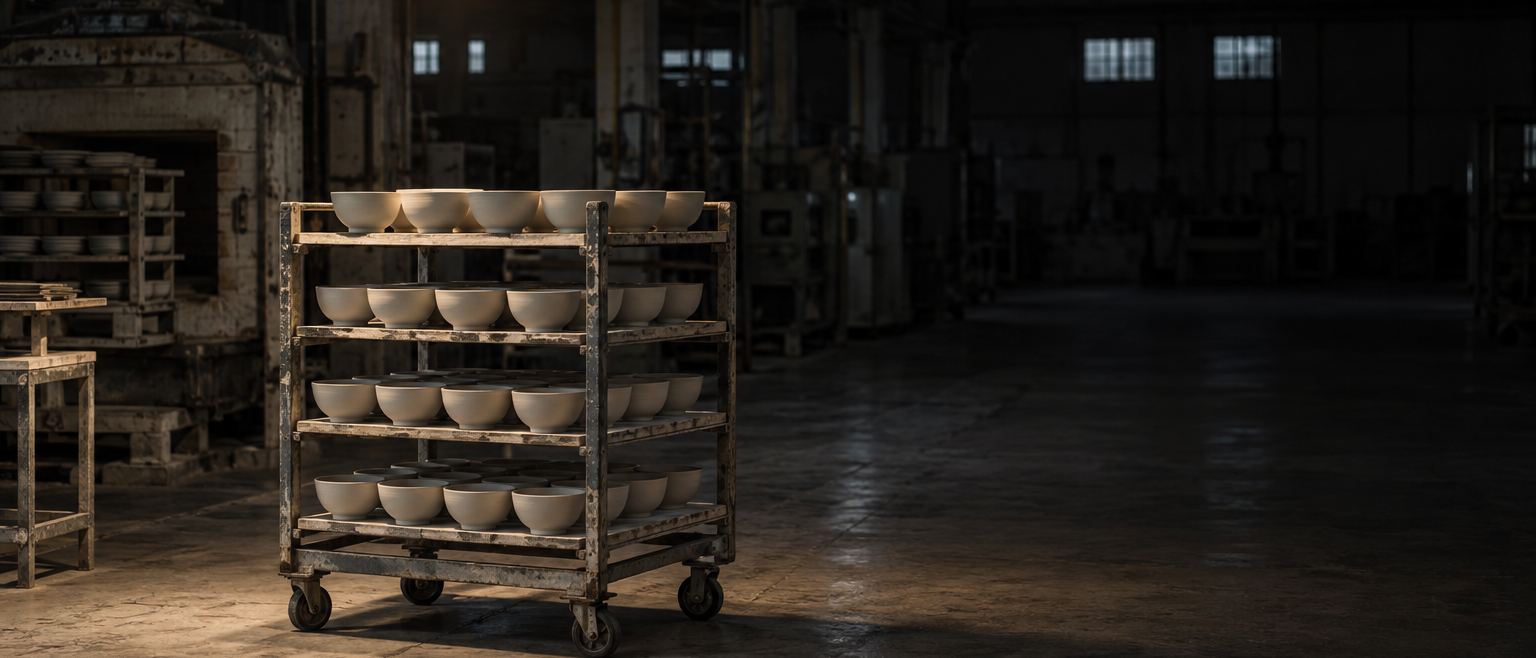
We deal with the factory directly, in its own language. Sourcing, negotiation, samples and quality control all run with the same people throughout the project, rather than through a middleman relaying messages.
The Israel side
A team in Israel that handles customs clearance, the warehouse and the sale. The marketing and advertising arm sits inside the company, so the product does not stall the moment it is unloaded.
Industries we know in depth
Each industry has the thing that goes wrong in it: seal integrity in personal care, volume efficiency in housewares, compliance in electronics, sizing in textiles and spare parts in business equipment.
Personal care and beauty
The industry we came from — formula, packaging tested for leaks, and regulation that arrives before the product.
To the industry page
Home and kitchen
Mass production where every cent per unit is counted, and packaging measured for transport rather than for the shelf.
To the industry page
Electronics and accessories
Compliance as a condition of entry, batteries that change the whole shipment, and components quietly substituted.
To the industry page
Textiles and fashion
Fabric that varies between batches, a size chart that needs adapting, and a season that does not forgive a late arrival.
To the industry page
Equipment for businesses
Small quantities and high demands: spare parts, technical documentation and a warranty that crosses borders.
To the industry page
How it works, from the first call to the shelf
The five chapters above are the areas of work. Over time they fall into eight stages, from the first call to the launch, and each stage has a decision that is yours to make and a defined condition that has to be met before it moves on — an approved sample before production, an inspection report before release, checked documents before they are issued.
That order is also what makes it possible to stop halfway at a low cost. If the commercial definition shows the product does not stand up, that becomes clear before a sample has been ordered, not after the container has sailed.
Who is behind CIN.IL
CIN.IL is a direct importer from China. We started by manufacturing and importing for brands we own, which meant learning the work from the side where the money is on the line — including the mistakes that cost us. Alongside that we have been running marketing and advertising, which is why that arm is part of the company rather than an outside supplier.
In practice this means both partners are in every project from beginning to end, and that the same people who chose the factory are also accountable for what happens to the product after it arrives. It is also what lets us say no when a project does not look viable — we know both sides of that calculation.
Tell us what you want to make
On the intro call we work out what the product is, in what quantity and for which market, and we tell you whether it is realistic and what the next step would be. If the answer is no, we will say that too — better now than after a deposit.
Or reach us directly