Who this is for
A private label is not a logo on a box. It is a decision that changes the price, the minimum order quantity and the schedule.
There is a catalogue product and you want it to be yours
The factory makes it anyway, and the question is how much can be changed without jumping to the cost of a bespoke product. Usually more than people assume.
You are launching a new brand
There is no name yet, no visual language and no packaging. Here the work starts before the factory, because without brand decisions there is nothing for the factory to print.
The packaging does not meet shelf requirements
A retail chain requires particular dimensions, marking or barcodes, and the existing packaging does not fit. This is focused work and usually short.
The Hebrew labelling is missing or wrong
An imported product sold in Israel has to carry labelling that meets Israeli requirements. It looks like a technical detail, and it is the one that holds goods at the port.
What the service includes
The work covers both the design side and the technical side with the factory, because those two break precisely at the point between them.
- Deciding what can genuinely be branded on this product: the product itself, the packaging, or both.
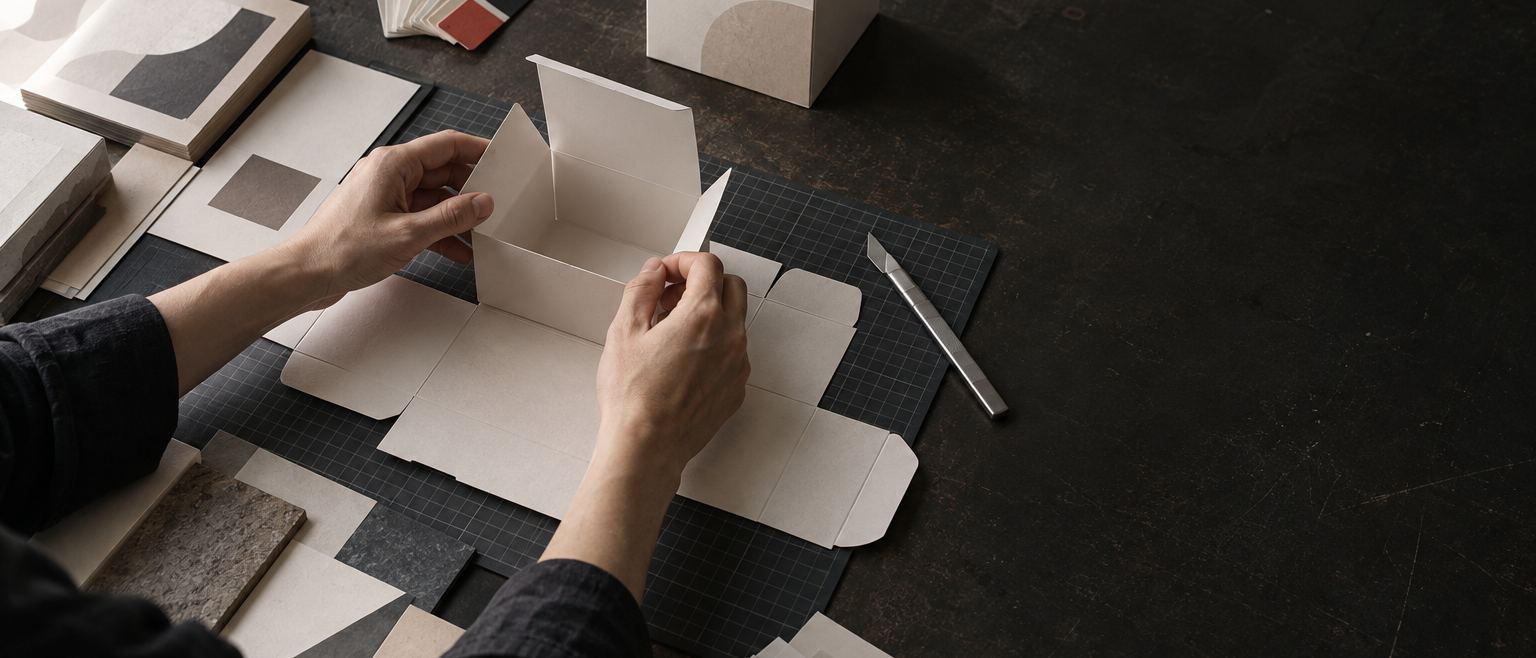
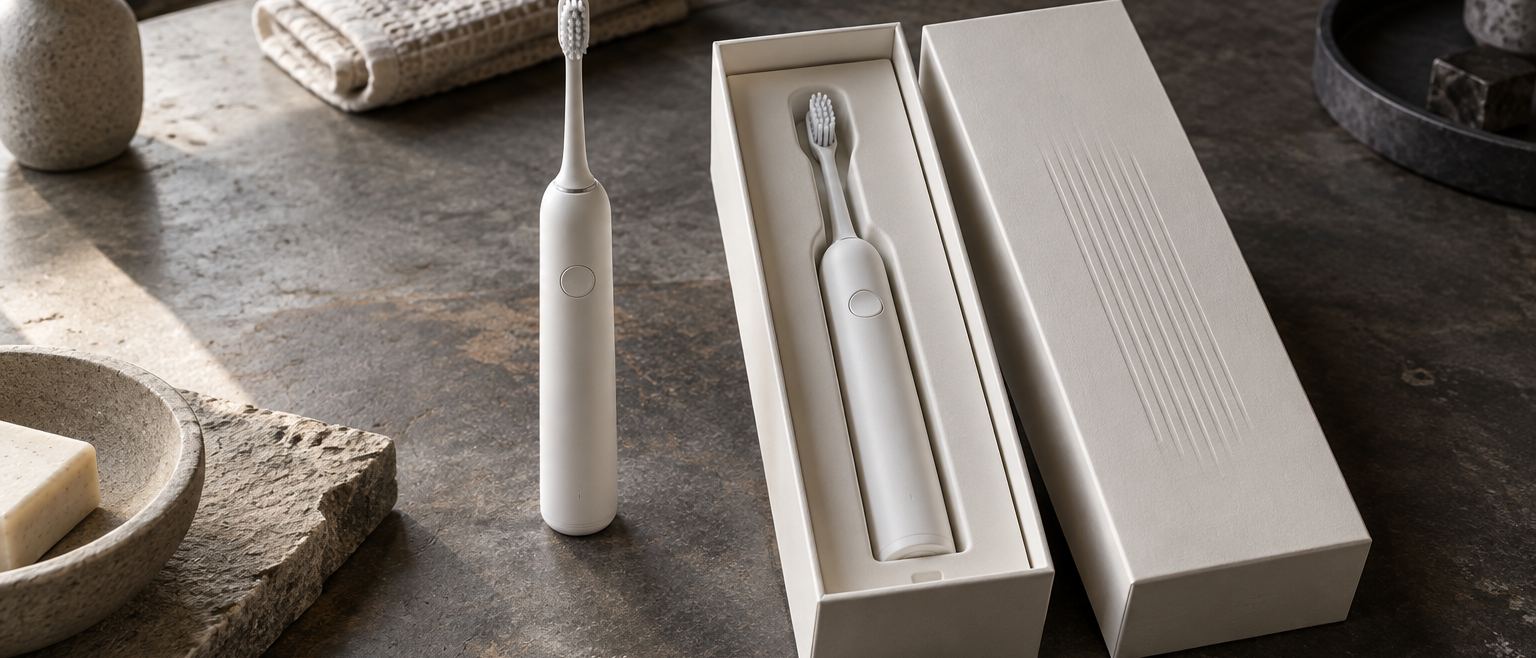
- Packaging design — structure, material, colour and typography — matched to the sector and to the shelf.
- Adapting the design into a production file the factory can work from, in the right format and colour system.
- Hebrew product labelling according to the requirements that apply to an imported product in Israel.
- Barcodes, item numbers and carton marking, so that systems in Israel recognise the product.
- Ordering a packaging sample from the factory and approving it before mass production.
- Checking that the packaging survives transport — not only how it looks on a table.
- A digital asset pack for product photography and sales pages, for whoever carries on to marketing.
How it works, step by step
The order matters here: any change made after the factory has begun its preparations costs money and time.
- 01
Setting the boundaries
We establish with the factory what can be changed and what cannot, and what each change does to the price and to the minimum order quantity.
- 02
Design direction
We present one or two directions, including how they look on a shelf next to the competition rather than only on screen.
- 03
Full design
We complete the design with everything that has to appear on it: labelling, barcode, warnings and instructions.
- 04
Production files
We prepare files in the format the factory works with, with the correct colour and print settings.
- 05
Packaging sample
We order a physical sample. Colour on a screen and colour in print are two different things, and this is where you see the difference.
- 06
Approval for production
Approval is given in writing, and only then does the factory start printing at volume.
What you end up holding
Everything created here stays yours, even if you later work with a different factory.
- Open design files for the packaging, not only a finished image.
- A packaging specification: material, dimensions, finish and print method.
- Hebrew labelling copy that meets the requirements for an imported product.
- Carton marking and barcodes, ready to use.
- An approved packaging sample, kept as the standard.
- An asset pack for photography and sales pages.
Questions about this service
It depends how deep the branding goes. Printing on existing packaging adds very little. Bespoke packaging on a new tool is already a significant up-front cost spread across the quantity. On a call we can estimate which of those categories your product falls into.
Because they have to stop a line, change the print and run a dedicated batch. The deeper the change, the higher the minimum. Sometimes it can be negotiated, and sometimes it is better to start with shallower branding and go deeper on the second order.
Usually yes, and usually it is the cheap way to start. The question is whether the logo sits on the product or only on the packaging, and how much of that the factory is willing to do at your quantity.
The legal responsibility sits with the importer. We prepare the copy and make sure it is included in the print, but matching it to the regulatory requirements of the specific product is your responsibility, and on some products it calls for separate professional advice.
Yes. In that case we take the files, check them against what the factory can actually produce, and translate them into a production specification. It saves duplicated work.
Turn a product into your product
Tell us which product it is and where it is meant to be sold. We will tell you how much branding is realistic at your quantity, and what it does to the price and the schedule.
Related services