Who this is for
Enquiries on this subject reach us from four very different starting points, and the work looks different in each of them.
You have a product in mind and no idea who makes it
You know what you want to sell, but an online search returns thousands of results that look identical and give you no way to tell a manufacturer from a trader. Here we start by defining the product, and search from there.
You have found a supplier and you are not sure about them
Someone answered well, sent a price list and looked professional. Before a deposit leaves your account it is worth knowing who they actually are, what they have produced so far and for whom.
You already import and want a better price
You have a working supplier, and the question is whether the price you pay is the market price. A comparison against two or three more factories answers that quickly.
You need to change factory mid-way
The current supplier has stopped meeting the schedule, the quality standard, or both. This work is more urgent, and it starts with an existing specification and an existing sample to work against.
What the service includes
The work starts by defining exactly what is being made, and ends with a signed agreement against a factory that has been checked.
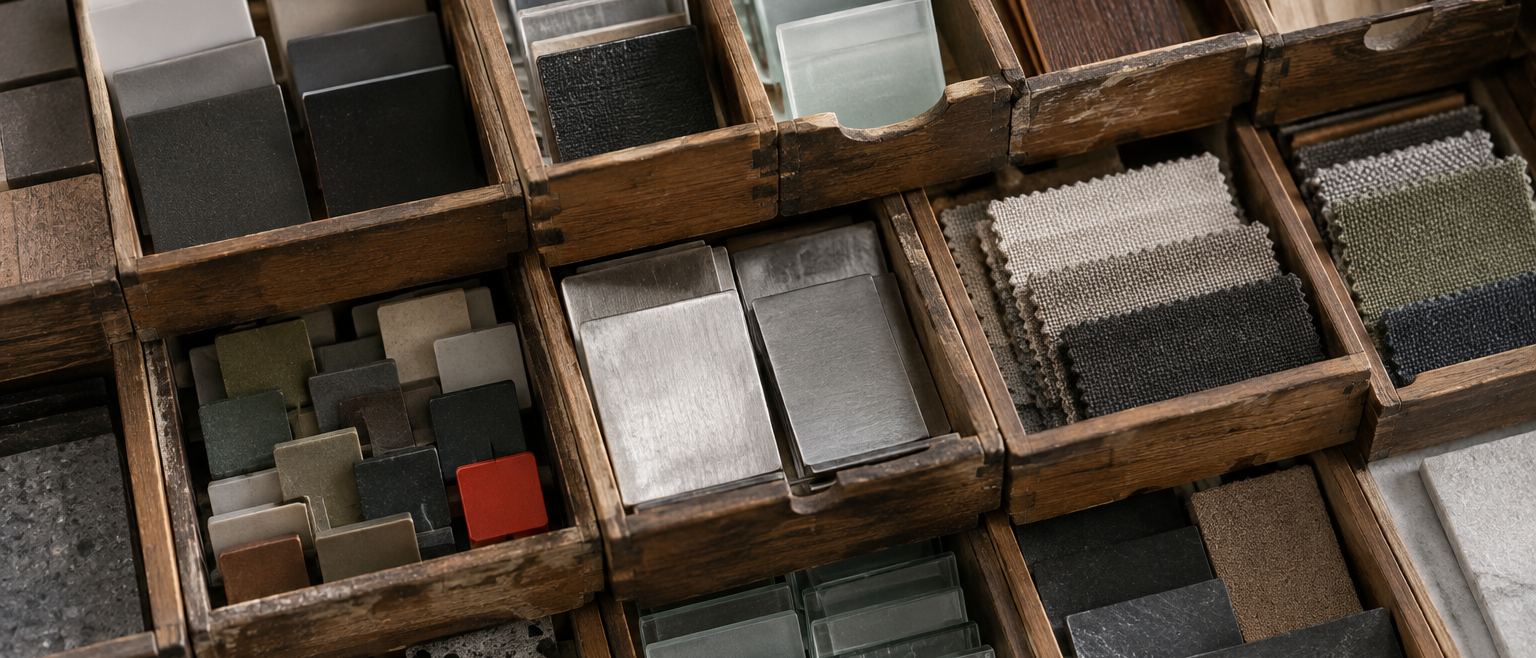
- Defining the product to the level where it can be quoted against: materials, dimensions, finish, packaging and quantity.
- Finding relevant factories from several sources, not only from online trading platforms.
- A first filter that separates manufacturers from trading companies acting as middlemen between you and the factory.
- Background checks on every candidate that passes the filter: registered business identity, export history, and whether the production line actually suits the product.
- The same written specification sent to every factory, so that the quotes that come back can be compared.
- A comparison table putting price, minimum order quantity, production time and tooling cost side by side.
- Running the negotiation in Chinese with the chosen factory: price, payment terms and schedule.
- Signing the agreement with the approved sample and the pre-shipment inspection written into it.
How it works, step by step
The process is built so that each stage narrows the number of factories and deepens the checks on whoever is left.
- 01
Definition call
We work through the product until there is a specification that can be sent out. If something in the definition is not realistic to manufacture in China, this is where it surfaces.
- 02
Market scan
Finding the factories that can actually make this product, rather than the ones that say they can.
- 03
Filtering and background checks
We check who holds a matching business registration, export experience and the right machinery. Anyone who does not pass leaves the list.
- 04
Quotes against one specification
The same request goes to everyone. Quotes received against different specifications cannot be compared, and that is a common mistake.
- 05
Negotiation
Price is part of it, but so are minimum order quantity, payment terms, production time and liability for defects.
- 06
Closing
We sign with the chosen factory, with the approved sample and the pre-shipment inspection written into the agreement.
What you end up holding
At the end of this stage you have documents, not only a verbal conclusion.
- A written product specification, in English, at a level you can order against.
- A comparison table of the factories checked, with the reason each one was ruled out.
- A background file on the chosen factory.
- A final quote setting out what the price includes and what it does not.
- A proposed agreement with the factory, with the quality and schedule conditions in it.
- One contact person who stays with you through the stages that follow.
Questions about this service
It depends on the product. A standard product with many manufacturers can be closed within a few weeks. A product with an unusual technical requirement or a dedicated mould takes longer, because both the filtering and the negotiation are longer.
Yes, and it is one of the most common requests we get. An existing supplier can be checked without opening a new search. If the check raises a problem we will say so plainly, and if they look good we will say that too.
You can, and sometimes it works. What a platform does not give you is confirmation that the party answering you is the manufacturer rather than an intermediary adding a margin and passing the order on. That difference usually shows up when something goes wrong.
A manufacturer owns the production line and you can go and see it. A trading company buys from a manufacturer and sells to you. A trading company is not necessarily a bad thing — sometimes it is the only route to a small quantity — but when there is a quality problem, whoever does not own the machines cannot stop them either.
Sometimes. When that is the case it is written into our agreement with you in advance, and it is not something you discover afterwards.
Tell us what you want to make
On the first call we work out what the product is, in what quantity and for which market. By the end of it you will know whether it is realistic to manufacture in China and what the next step is. If the answer is no, we will say that as well.
Related services