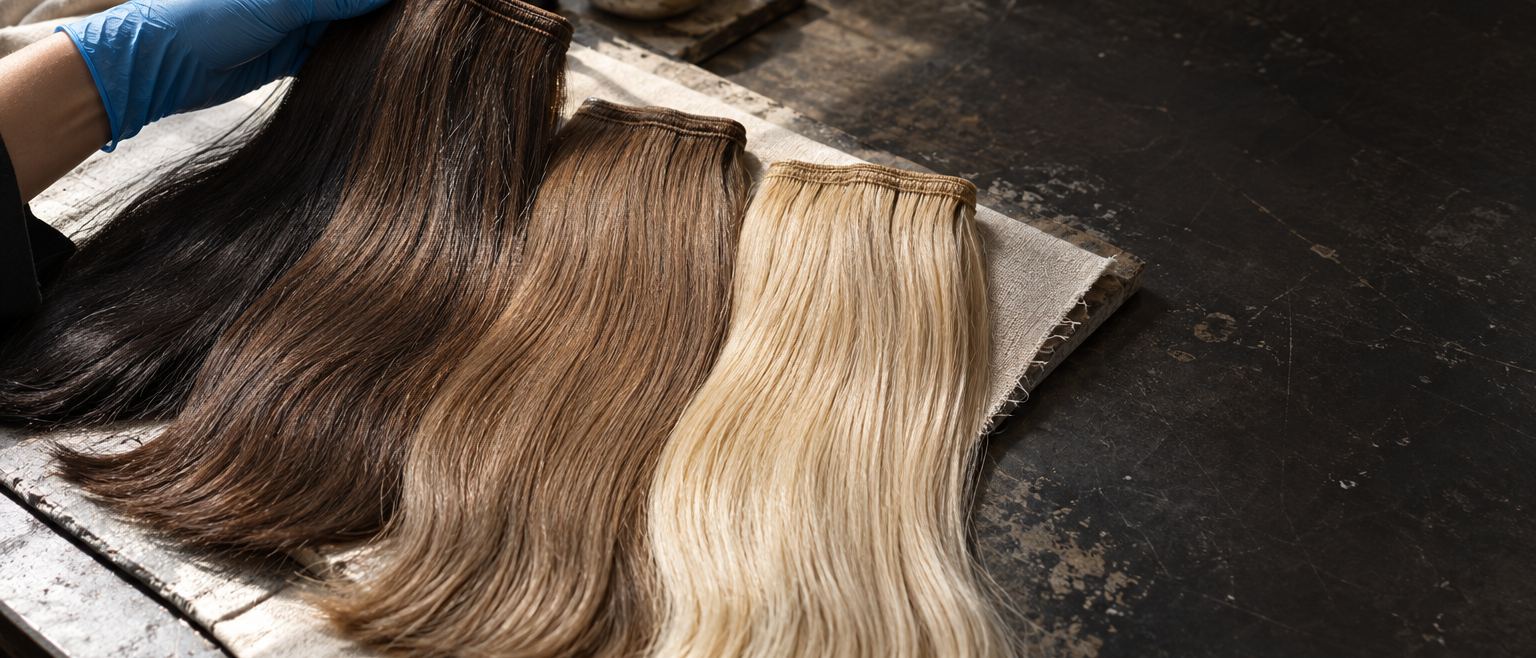
This is the industry we came from. Direct importing for the brands we own started here, in personal care, and what we know about this field was learned from our own orders — including the ones that went badly.
Personal care looks simple from the outside: a cream in a jar, a soap in a box. In practice it is one of the most demanding industries to import, because it combines three things that are each difficult on their own — a formula that is a chemical product, packaging that comes into contact with skin, and regulation that changes according to the type of product and what it is for.
What makes importing in this industry different
Four things set personal care apart, and each of them affects decisions taken well before the order.
Regulation comes before the product
Cosmetic products are subject to licensing and labelling requirements, and those are set by the type of product and its intended use. Some products need a prior procedure before they can enter, and some do not. That is a question to settle at the start, not at the port, and the binding authority is the Israeli Ministry of Health.
The packaging is part of the product
A jar that leaks, a pump that jams or a cap that cracks in the cold turns a good product into a returned one. Personal care packaging is checked for seal integrity, for compatibility between the formula and the packaging material, and for resistance to the temperatures the shipment will pass through.
The formula and the filling are two different factories
The company that makes the formula is not always the one that fills and packs it. Understanding who does what changes the chain of responsibility, and above all the question of who you turn to when a problem appears.
Seasonality and shelf life
Personal care products have an expiry date, so an order that is too large is not only money tied up but a risk that the stock will expire. Planning here is tighter than in other industries.
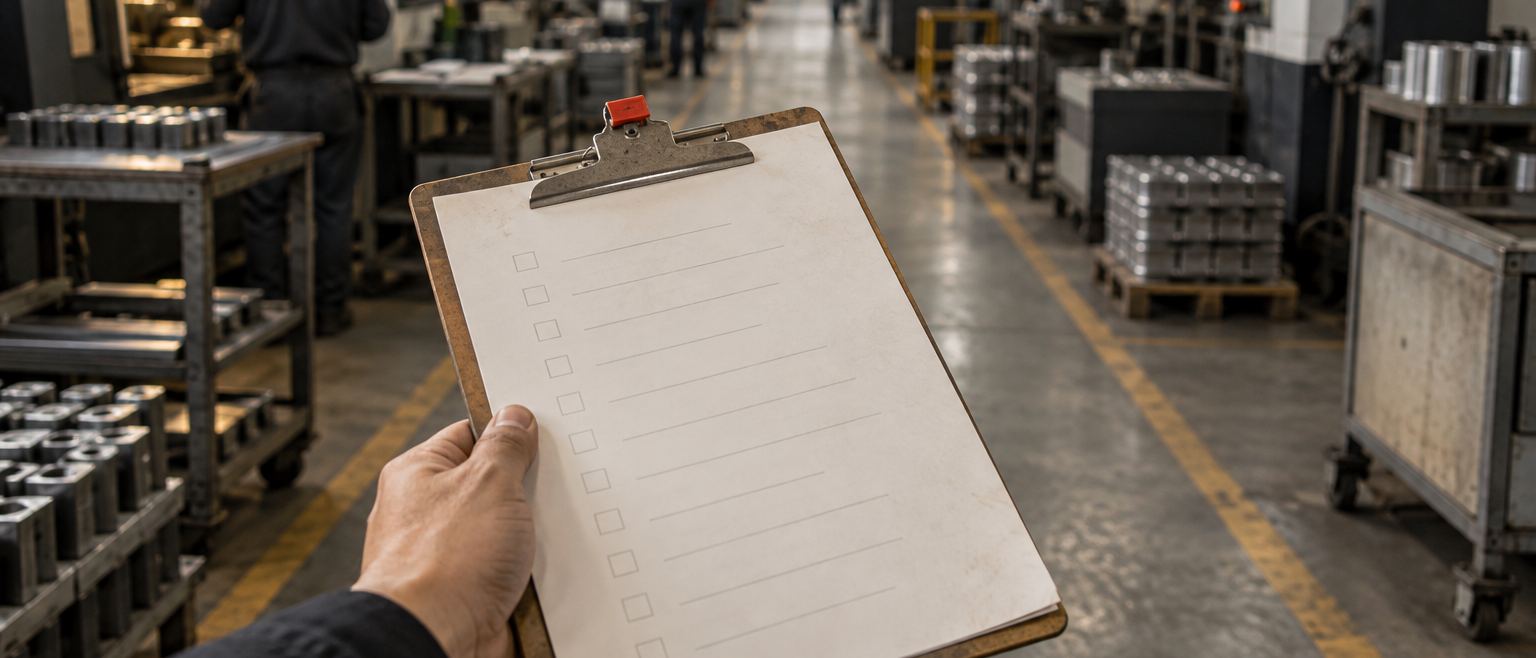
What gets checked at the factory in this industry
An inspection at a cosmetics factory looks at the product and at the conditions it was made in.
- The formula against the approved sample — texture, colour, scent and stability over time.
- Seal integrity in a leak test, including after a change of temperature.
- Compatibility between the formula and the packaging material, so that they do not react over the shelf life.
- Fill accuracy — actual weight or volume against what the packaging declares.
- Production and cleanliness conditions on the filling line itself.
- Labelling: ingredients, warnings, production and expiry dates, and a batch number that makes tracing possible.
- Durability of the print on the packaging — text that rubs off on contact with water is a defect, not a detail.
- Batch documentation, so that a batch can be traced if a problem appears in the market.
How we start
Most enquiries in this industry arrive with an existing product that someone wants made better or cheaper.
- 01
A conversation about the product
What the formula is, in what packaging, for which audience and in what quantity. This is also where a regulatory obstacle that has to be handled first comes to light.
- 02
Clarifying the regulation
We check which category the product falls into and what is required to bring it in. This affects the timetable more than anything else.
- 03
Finding a factory
We separate the formula maker, the filling house and the packaging supplier, and assemble the chain that fits the product and the quantity.
- 04
Samples
We order a complete sample — the formula in its final packaging — and not only a formula sample. That is the only way the real problems show up.
- 05
Production and inspection
Production, an inspection on the line and another before shipping, and release only against a report.
The services that touch this industry
Talk to us about a personal care product
Tell us what the product is, whether there is already a formula or a supplier, and what quantity you have in mind. We will tell you what the first step is and where the biggest risk sits.