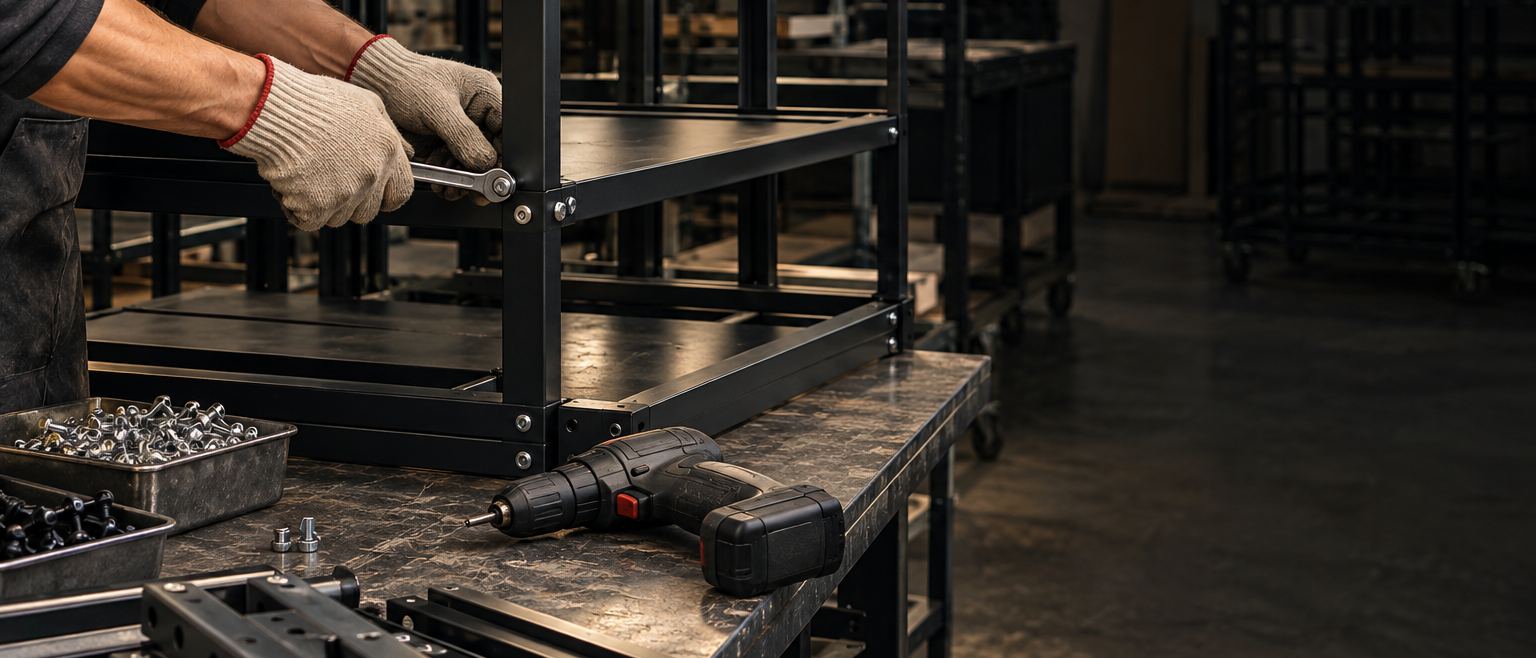
Business equipment is the industry with the smallest quantities and the highest demands. A business buying equipment expects it to work for years, to have spare parts, and to have someone to turn to when something breaks.
That changes the order of priorities: here the price matters less, and the question of what happens after the sale matters more.
What makes importing in this industry different
Four things that set business equipment apart.
Spare parts are part of the product
Equipment without available spare parts is equipment that stops the first time something breaks. The spares question is asked before the order, not after it.
Technical documentation is needed in practice
Operating instructions, diagrams and a parts list are not an appendix — they are what allows a technician in Israel to repair it. Equipment without documentation is hard to maintain and therefore hard to sell.
A warranty that crosses borders
When the equipment fails at your customer, the warranty is yours and not the factory's in China. So what the factory covers, how, and within what time has to be agreed in advance.
Small quantities, high minimums
A business buys single units, but the factory demands a minimum quantity. That gap is the central problem in this industry, and sometimes the answer is a shared order or a catalogue product.
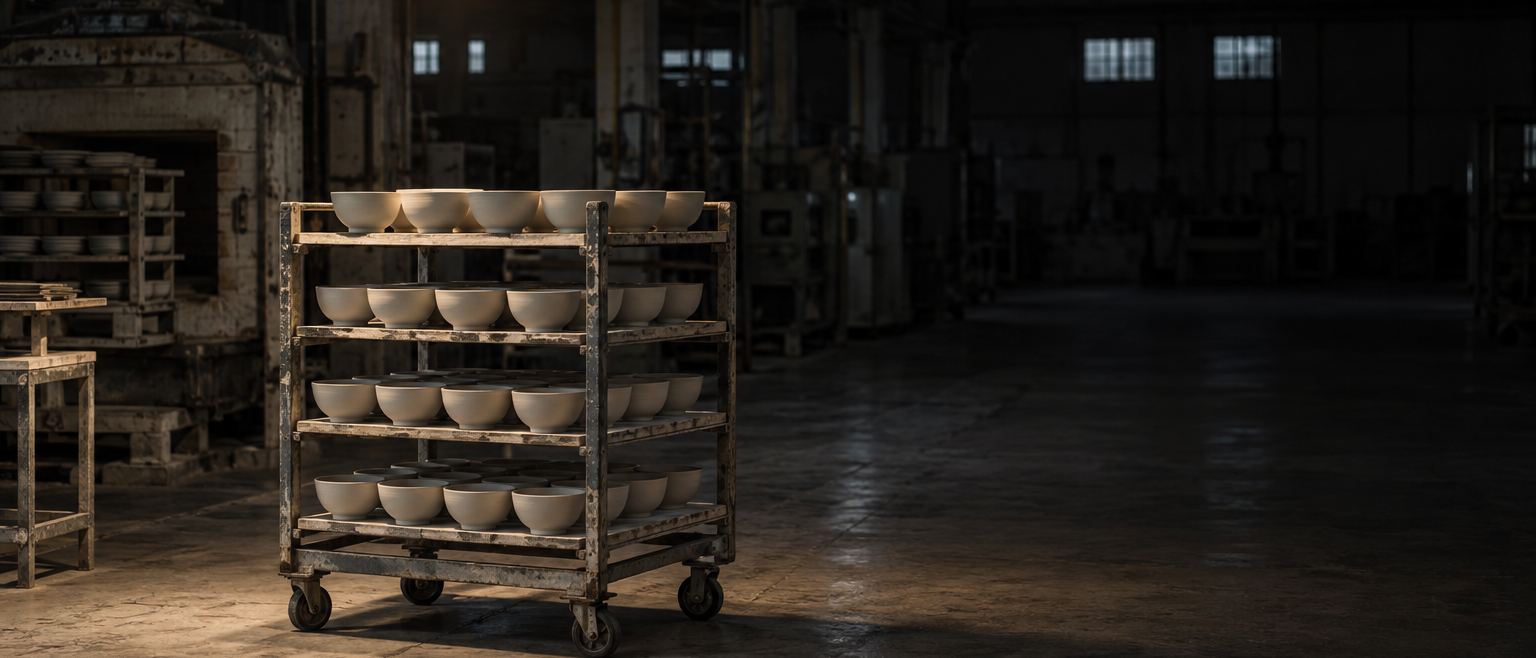
What gets checked at the factory in this industry
Inspection here concentrates on durability over time and on what makes maintenance possible.
- Strength and material quality in the load-bearing parts.
- An extended functional test, rather than switching it on once.
- Spare part availability: which parts wear, and whether they can be ordered separately.
- Full technical documentation — instructions, diagrams and a parts list.
- Standards and safety, particularly in electrical equipment or equipment with moving parts.
- Suitability for conditions in Israel: voltage, plug, and in some cases temperature too.
- Packaging quality for transporting a heavy or bulky item.
- A written warranty agreement with the factory, including what happens when a fault appears after the sale.
How we start
Most enquiries here are about a specific piece of equipment you have already seen somewhere.
- 01
Defining the need
What the equipment has to do, under what load, and how many units. Sometimes it turns out an existing catalogue product answers the need.
- 02
Checking the minimum quantity
We establish with factories what the real minimum is, and whether there is a way around it.
- 03
Checking spares and warranty
Before going further, we find out what exists after the purchase. That is a legitimate reason to rule a factory out.
- 04
A sample or a test unit
We order a single unit and test it in real use before a full order.
- 05
Order and follow-through
We order, inspect before shipping, and stay with the clearance and the haulage of a heavy item.
The services that touch this industry
Talk to us about equipment for a business
Tell us which equipment, for what use and how many units. We will tell you whether the quantity is realistic for a factory, and what is worth clarifying about spares and warranty.